Industry – focused beauty training.
Designed to prepare you for real work and real clients.
Become a Certified Laser Hair Removal Therapist
Are you looking for a promising career in aesthetic beauty, or would you like to expand your skillset with a modern professional treatment?
Training as a laser therapist is one of the most effective and fast ways to grow within the beauty industry. Laser hair removal is now a core service in clinics and modern salons across the UK and qualified practitioners are consistently sought after by employers.
With increasing safety regulations and insurance requirements, clients choose therapists who hold recognised good qualifications. Clinics and employers also prioritise certified professionals, such as working with laser specialists.
So what does it actually take to become a professional laser hair removal therapist?
Why Choose a Career as a Laser Therapist
Each year, equipment becomes more advanced, and more clinics introduce laser services — meaning trained therapists are increasingly needed.
By gaining a laser therapist qualification, you achieve:
- a modern and stable profession
- stronger employment opportunities
- higher earning potential
- entry into aesthetic skincare
For many beauty therapists, laser training becomes the step from basic treatments into clinical aesthetics.
High Demand for Laser Hair Removal
Knowledge of laser technologies opens the door also to other skin rejuvenation and other advanced aesthetic procedures with lasers. If you want to work in a modern, technology-driven beauty sphere and help people look more beautiful and feel comfortable, this is one of the best career directions.
Step 1: Understand the Role of a Laser Therapist
Before starting some training, it’s important to understand that a laser therapist is not simply operating a machine. This is a specialist responsible for both client safety and outcomes.
At every appointment, you carry out a full consultation. You assess the skin condition, hair type, collect medical history and check contraindications before selecting treatment parameters.
You will work with different skin phototypes and hair characteristics, so you must understand how light energy interacts with the skin. Incorrect settings can cause burns or pigmentation, which is why laser therapy is considered a more clinical area within the beauty industry.
In addition to performing the treatment, the therapist:
- explains the treatment process to the client
- plans the treatment course
- monitors skin response
- provides aftercare advice
Clients do not return to a machine — they return to a specialist they trust.
Step 2: Understand the Requirements and Qualifications
In the UK, laser treatments are regulated far more strictly than standard beauty services, because laser energy affects deeper skin layers and requires professional knowledge.
To work professionally, a practitioner must have:
- professional insurance
- an accredited qualification
- knowledge of safety protocols
Most insurers and clinics require the VTCT Level 4 Laser & IPL qualification, as it confirms the therapist understands how the equipment works, can properly assess clients and perform treatments safely.
VTCT Level 4 Certificate in LASER & IPL Treatments
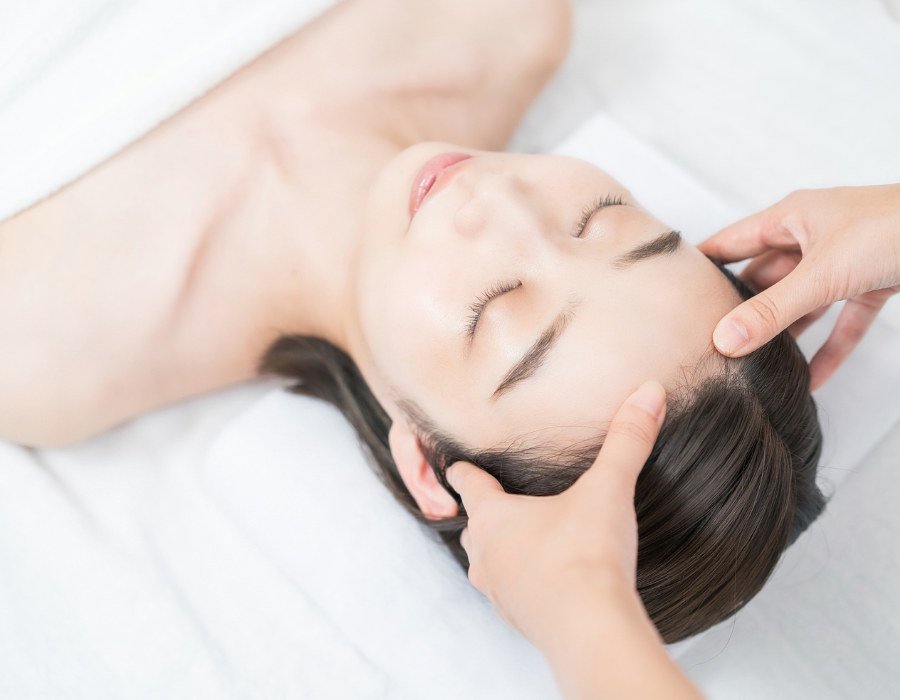
A Level 3 qualification is also required beforehand, providing the essential foundation in anatomy, consultation procedures and contraindications. Without this base, performing advanced treatments would be unsafe.
These requirements exist to protect clients. Incorrect use of laser equipment may result in burns or scarring, which is why clinics employ properly trained specialists only.
Step 3: Choose the Right Course and Academy
Once you understand the profession’s requirements, the next step is choosing the right training provider. This is where your confidence as a future specialist truly begins.
A good course should teach not only theory but clinical decision-making. In real practice, you must independently choose settings, assess reactions and know when treatment should not be performed.
Quality training should include:
- laser physics and IPL principles
- Fitzpatrick skin typing
- consultation and medical history
- contraindications and complications
- safety procedures
- practical work on real models
In our academy, the VTCT Level 4 Laser & IPL course is designed to replicate real clinic practice. Students don’t just observe — they perform treatments under supervision, learn to select parameters and monitor skin response.
Practical experience gives the most important outcome: confidence. By the end of the course, you won’t fear your first client because you already have real-world experience.
Step 4: Start Working and Build a Portfolio
After qualification comes the most important stage — real practice. Many students worry they won’t be ready or won’t find clients, but progress happens gradually.
At first, this may include:
- models
- friends and acquaintances
- referrals
- first clients at introductory prices
At this stage, the goal is experience rather than immediate income. You begin seeing different skin types, various treatment responses and learn how to explain realistic expectations.
You quickly build a portfolio. Before-and-after photos, proper consultations and satisfied clients become your strongest marketing. In the UK, many therapists find clients through social media, where real results build trust.
Because laser hair removal is performed as a course of treatments, clients return regularly — which often leads to a stable income relatively quickly.
Step 5: Career Growth and Specialisation
Once you develop a regular client base, the profession opens many more opportunities.
With a laser therapist qualification you can:
- work in aesthetic clinics
- join premium salons
- develop your own business
- become self-employed
Laser training also opens the pathway into advanced aesthetics. Many therapists progress into skin rejuvenation, pigmentation treatments and acne management.
This means not only higher income but professional recognition. You are no longer just performing treatments — you become a specialist clients trust for advice and results.
A career in laser aesthetics is not an unrealistic goal. It is a clear, structured journey: training, practice, first clients and steady growth.
The aesthetics sector continues to expand, and demand for qualified practitioners is increasing. Clients are choosing long-term solutions and trust trained professionals.
Proper education does more than provide a certificate — it gives understanding, safety and confidence. And confidence is what allows you to start treating real clients and build your own practice.
The first step into this profession is gaining the right qualification — and this is where your career in aesthetic beauty begins.
If you have any questions about our courses or training programmes, please complete the form below and we will be happy to assist you.